FREE DIAGNOSTIC TEST

Are You Living
with Anxiety?

Anxiety is not the same as Worry. Take this self-assessment
test used by mental health professionals to determine if
you may be living with Anxiety.

What is Anxiety?

Anxiety is a natural response to stress, characterized by feelings of fear, worry, and unease.

While we all experience moments of Anxiety, such as before a high-stakes presentation,
Anxiety becomes problematic when excessive or persistent.

1-in-5 adults struggle with Anxiety disorders, which can lead to social withdrawal, self-harm, and physical illness.
Many are high-functioning people who appear “normal” on the outside.

Symptoms of Anxiety include:

Excessively worrying about bad things happening

Avoiding certain situations, activities, or people

Over-thinking outcomes and being highly self-critical

Ailments such as headaches, giddiness, shortness of breath

Living with Anxiety is exhausting. But with effective treatment,
you can break out of the vicious cycle.

Take Control
of Anxiety

Sarah W.
Atlanta, GA

Alexander L.

Los Angeles, CA

Wendy W.

New South Wales, Australia

Bonnie R.

USA

How does Virtual EMDR
work on Anxiety?

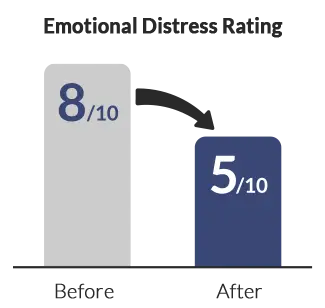
Data from 10,000 Virtual EMDR Sessions

EMDR has been scientifically proven to effectively treat Anxiety. It has been successfully used on Panic Attacks, Generalized Anxiety, Phobia, and Social Anxiety.

Unlike traditional treatment, Virtual EMDR works faster, is more effective, and delivers longer-lasting results. This is because EMDR addresses the root cause of Anxiety, not just the symptoms.

Many people report feeling a noticeable improvement in less emotional distress, even after just one session of Virtual EMDR!

Select the Anxiety Protocol you need Virtual EMDR offers unique Anxiety Protocols to help you:
Select the Anxiety Protocol you need

Virtual EMDR offers unique Anxiety Protocols to help you:

Re-Process Traumatic Memories linked to Anxiety

Reduce the Emotional charge of Anxiety symptoms

Equip yourself with Coping Skills to manage Anxiety

Reframe Beliefs and Negative Thoughts contributing to Anxiety

In each session, simply select the Anxiety Protocol you need– all included in your Virtual EMDR unlimited subscription! In addition, you also get UNLIMITED ACCESS to EMDR protocols for Depression, PTSD & Trauma, Phobia & Fears, and more !

FREE DIAGNOSTIC TEST

Unsure if you
have Anxiety?

If you think you may be suffering from Anxiety, take this free test. The General Anxiety Disorders (GAD) is a clinical assessment tool used by medical professionals to diagnose General Anxiety

# 1 ONLINE SELF-GUIDED EMDR PROGRAM

Let Virtual EMDR help
you overcome Anxiety

Simple, easy-to-use. Even if you have never done EMDR before.

Check out why Virtual EMDR is uniquely designed for you:

Frequently Asked Questions

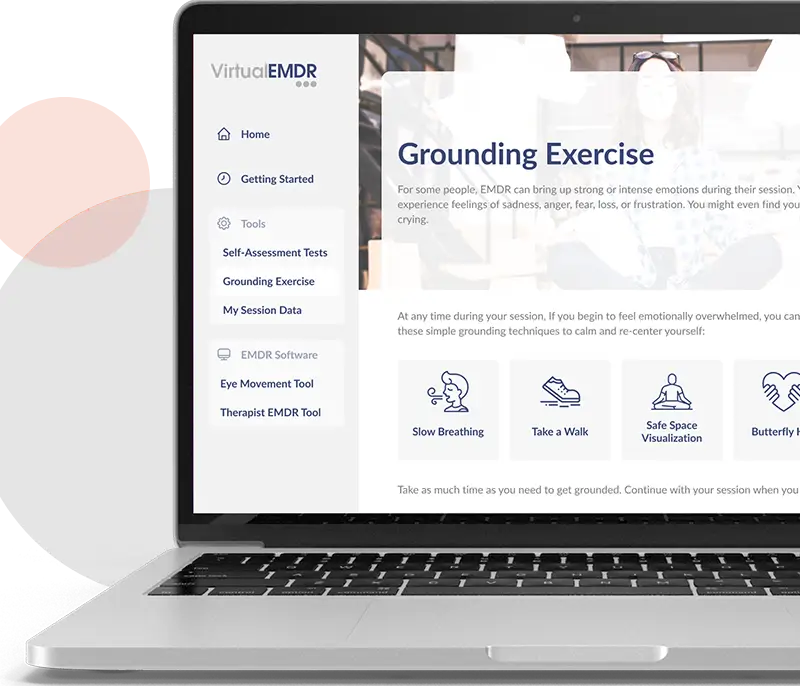
Yes definitely! Thousands of people have successfully used Virtual EMDR on their own without a therapist, including beginners who have never done EMDR before. Virtual EMDR is easy-to-follow with step-by-step guidance. You’ll be gently guided through each stage of EMDR, through videos, illustrations, and real-life examples. If you get stuck or need help getting started, check out our affordable Personal Coaching.

Yes, EMDR can be used in conjunction with complementary therapy and medication. If you are currently undergoing treatment, consult your therapist or physician to ensure a coordinated treatment plan.

Virtual EMDR has been used successfully by thousands of clients to treat Anxiety. While many people find EMDR to be fast-acting and effective, some individuals may experience temporary increases in distress before improvement occurs. These responses are typically short-lived and are part of the healing process.

EMDR does not guarantee that Anxiety will never resurface. However, EMDR has been shown to be effective in reducing Anxiety symptoms, and for many people, these effects are long-lasting. Factors that affect effectiveness include: the specific source of Anxiety (if it is caused by specific distressing memories, traumatic events, or negative beliefs), regular maintenance and follow-up, as well as psychological and environmental elements. Because EMDR addresses the root cause, rather than merely relieving symptoms, it is often more effective and long-lasting than other treatments.