Free Self Assessment
Virtual EMDR
Support for Anger
See How Virtual EMDR Can Support Your Recovery

How Can Virtual EMDR
Support Anger?
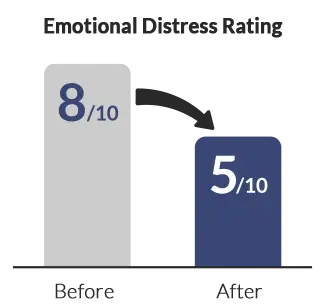
Data from 10,000 Virtual EMDR Sessions
Anger can sometimes be connected to painful experiences, emotional triggers, or negative beliefs that make certain situations feel especially intense.
Virtual EMDR gives you a structured, self-guided way to work on those experiences and the distress connected to them. This may help you better understand what is driving your reactions and respond differently when anger is triggered.
EMDR is best established for trauma-related distress, and it may be especially relevant when anger is connected to past trauma or difficult experiences.
Take Control
of Anger




I was dealing with unwanted behaviors that impacted my relationship with my children. I tried Talk therapy but it didn’t create lasting change. Virtual EMDR got to a place deep inside. I could finally find transformation I’d be looking for!
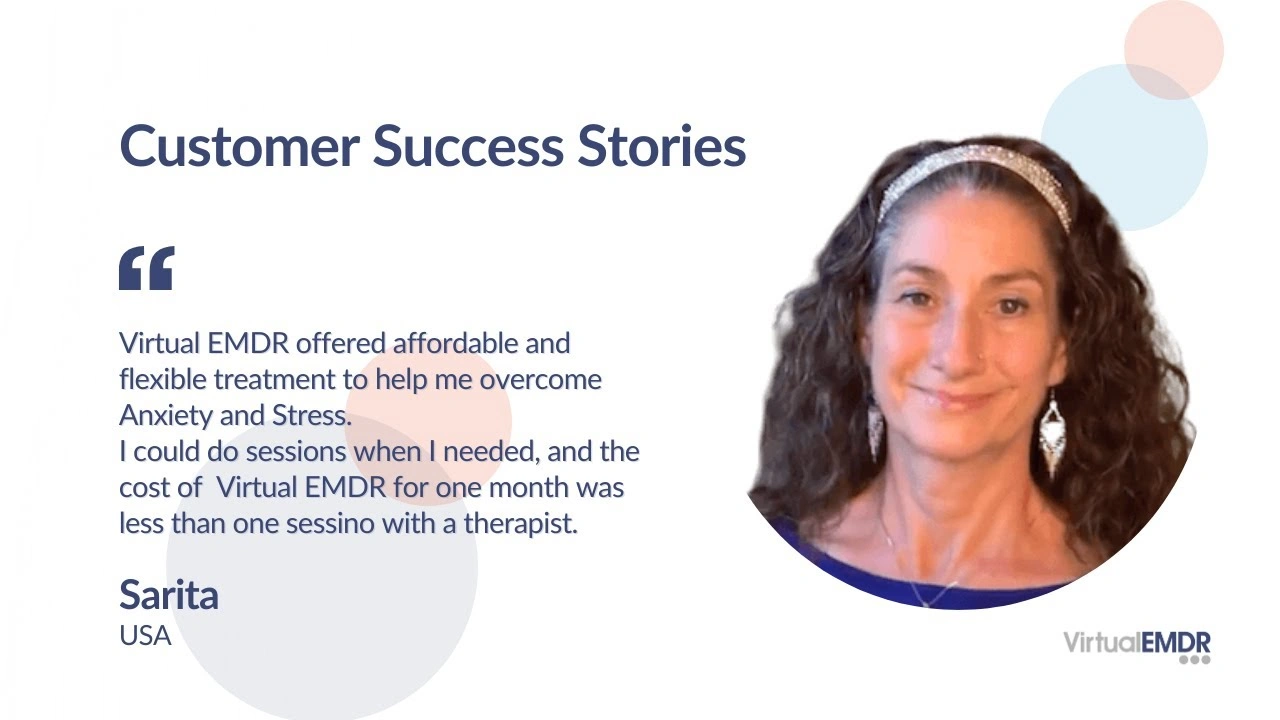

Sarita C.
USA
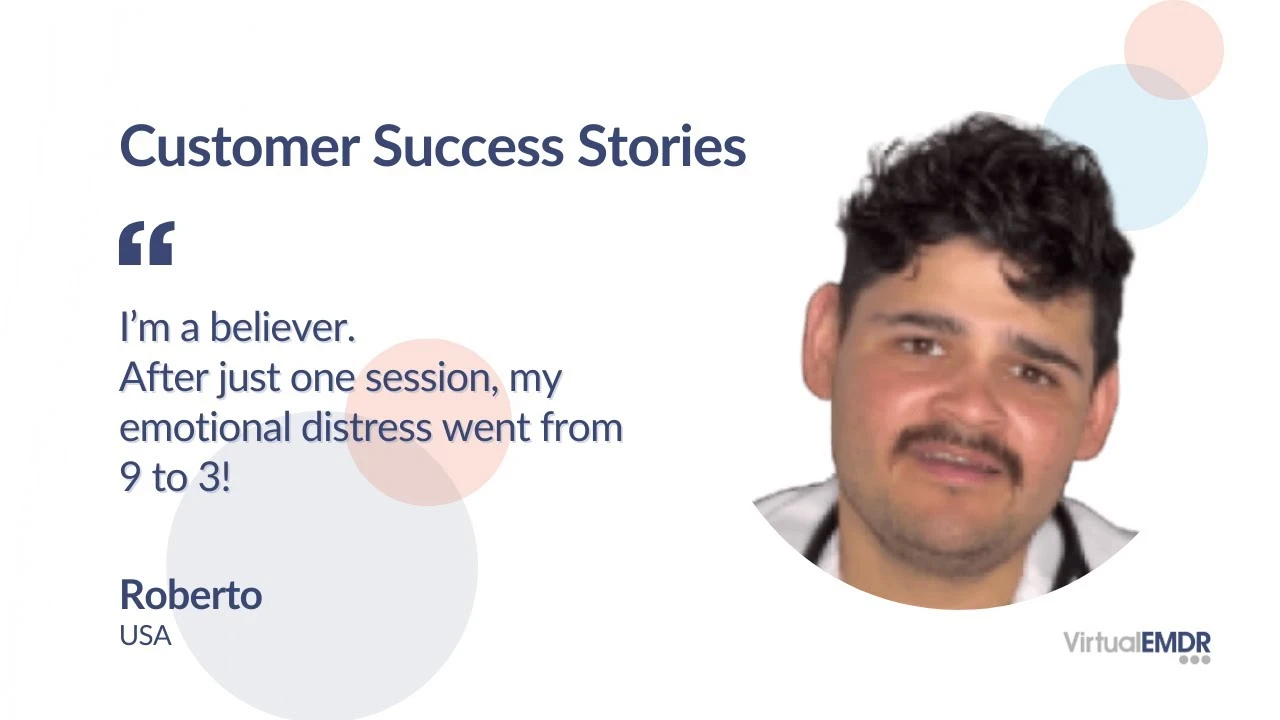

Roberto E.
USA
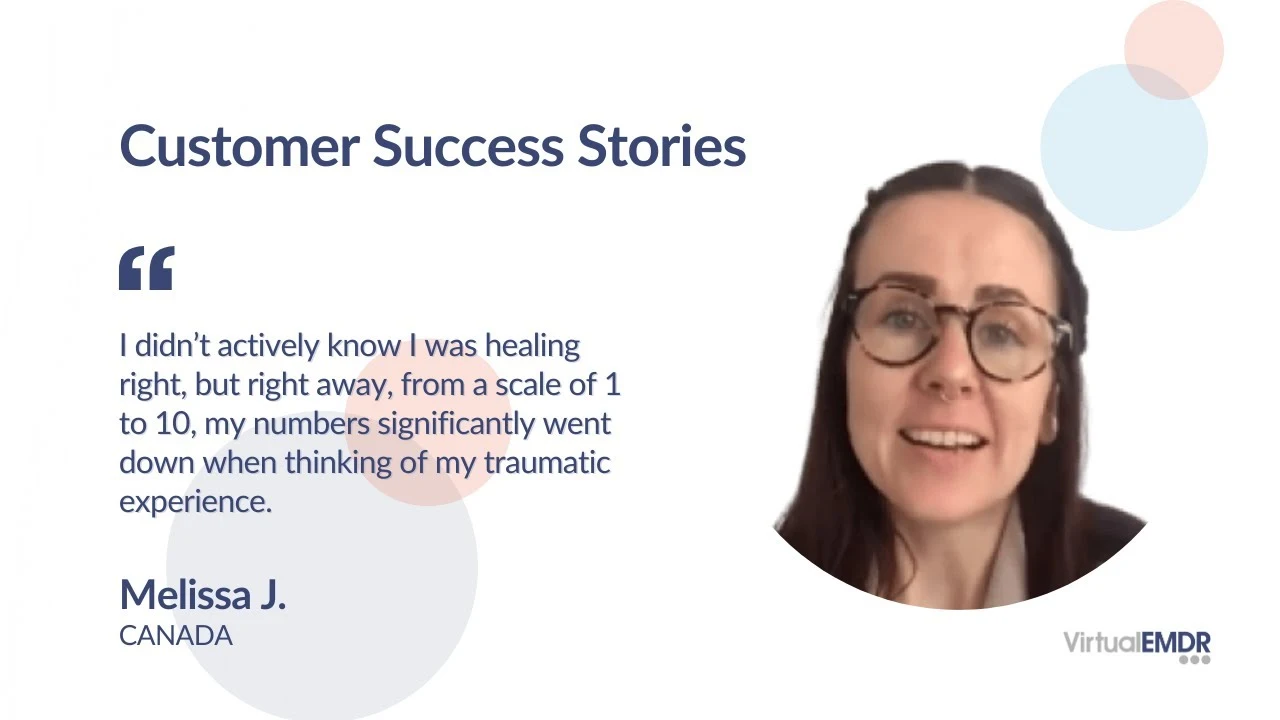

Melissa J.
USA
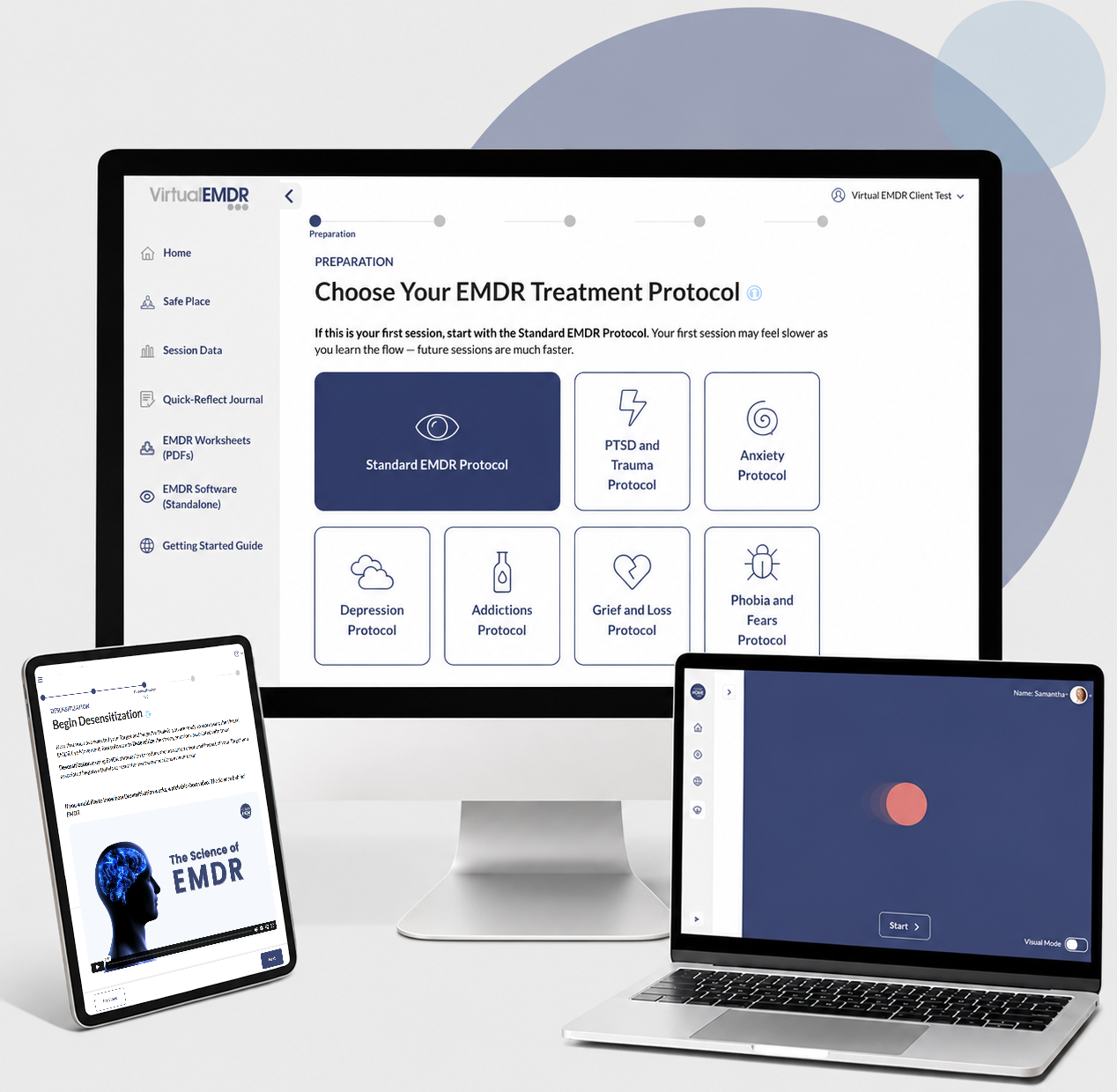
Select the Anger Protocol You Need
Virtual EMDR offers specialized Anger Protocols to help you work on:
Experiences and memories connected to anger
Situations that trigger strong emotional reactions
Negative thoughts and beliefs that intensify anger
Preparing for future situations that may trigger anger
More Than Anger: Your subscription also includes unlimited access to EMDR protocols for
Trauma & PTSD, Anxiety, Addiction, Grief & Loss, and more.
# 1 ONLINE SELF-GUIDED EMDR PROGRAM
Let Virtual EMDR Help You
Overcome Anger
Simple, easy-to-use. Even if you have never done EMDR before.
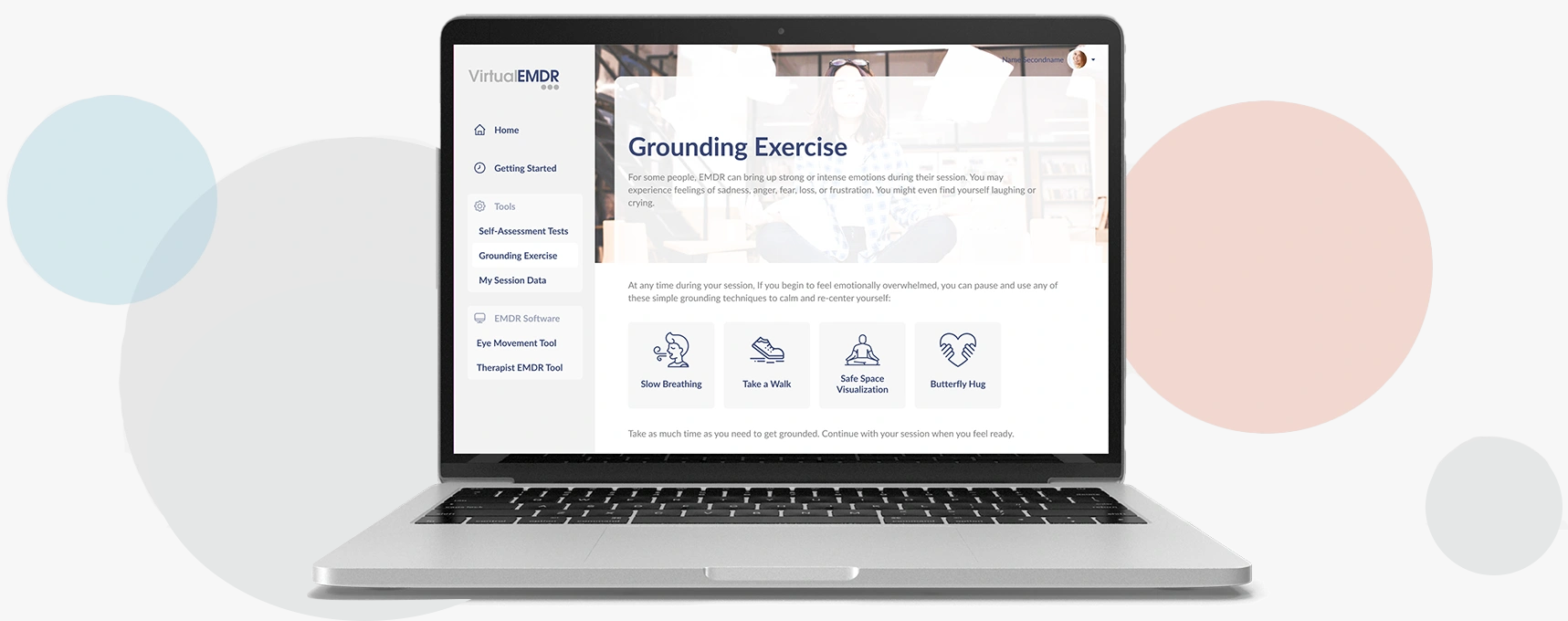
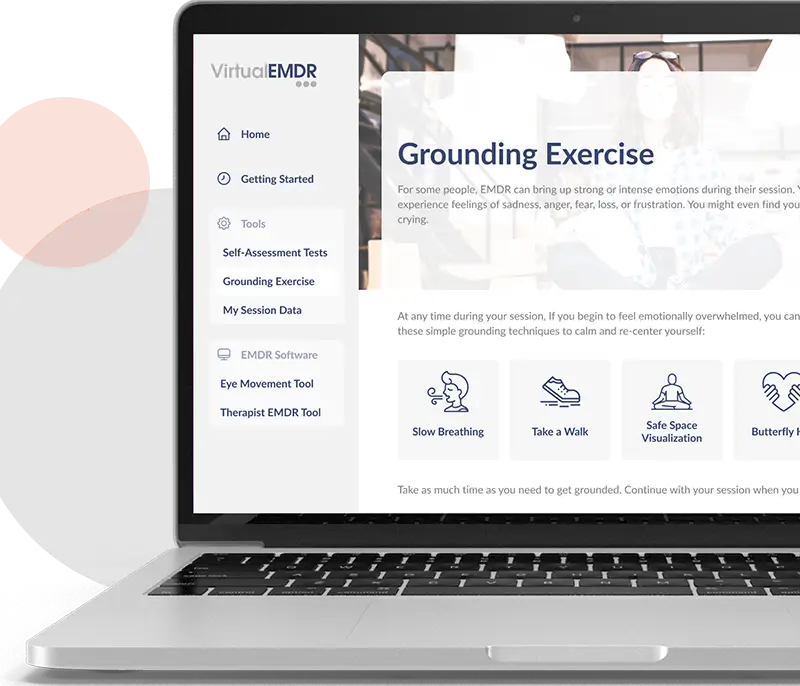
Check out why Virtual EMDR is uniquely designed for you:
Frequently Asked Questions
Can EMDR be used for anger?
Yes. EMDR can be used to work on memories, emotional triggers, and beliefs connected to strong anger reactions.
What can I work on with Virtual EMDR for anger?
You can work on experiences connected to anger, situations that trigger strong reactions, negative thoughts and beliefs, and future situations you expect may be difficult.
Can past experiences affect how I react to anger triggers?
Yes. Past experiences can influence how you respond to situations involving conflict, criticism, rejection, betrayal, or feeling threatened. EMDR can be used to work on experiences that still bring up strong reactions.
Can I use Virtual EMDR alongside anger management or therapy?
Yes. Virtual EMDR can be used alongside therapy, anger-management strategies, or other forms of emotional support.
Take the Next Step With Anger
Work on experiences, triggers, and emotional reactions connected to anger.

Ready to take the
Clinical Anger Test?
The Clinical Anger Scale (CAS) was developed by Professor William Snell in 1995 to identify individuals experiencing, or at risk of developing, "clinical" levels of anger.
It comprises 21 questions with 4 choices each.
Estimated Time to complete: 5 minutes